
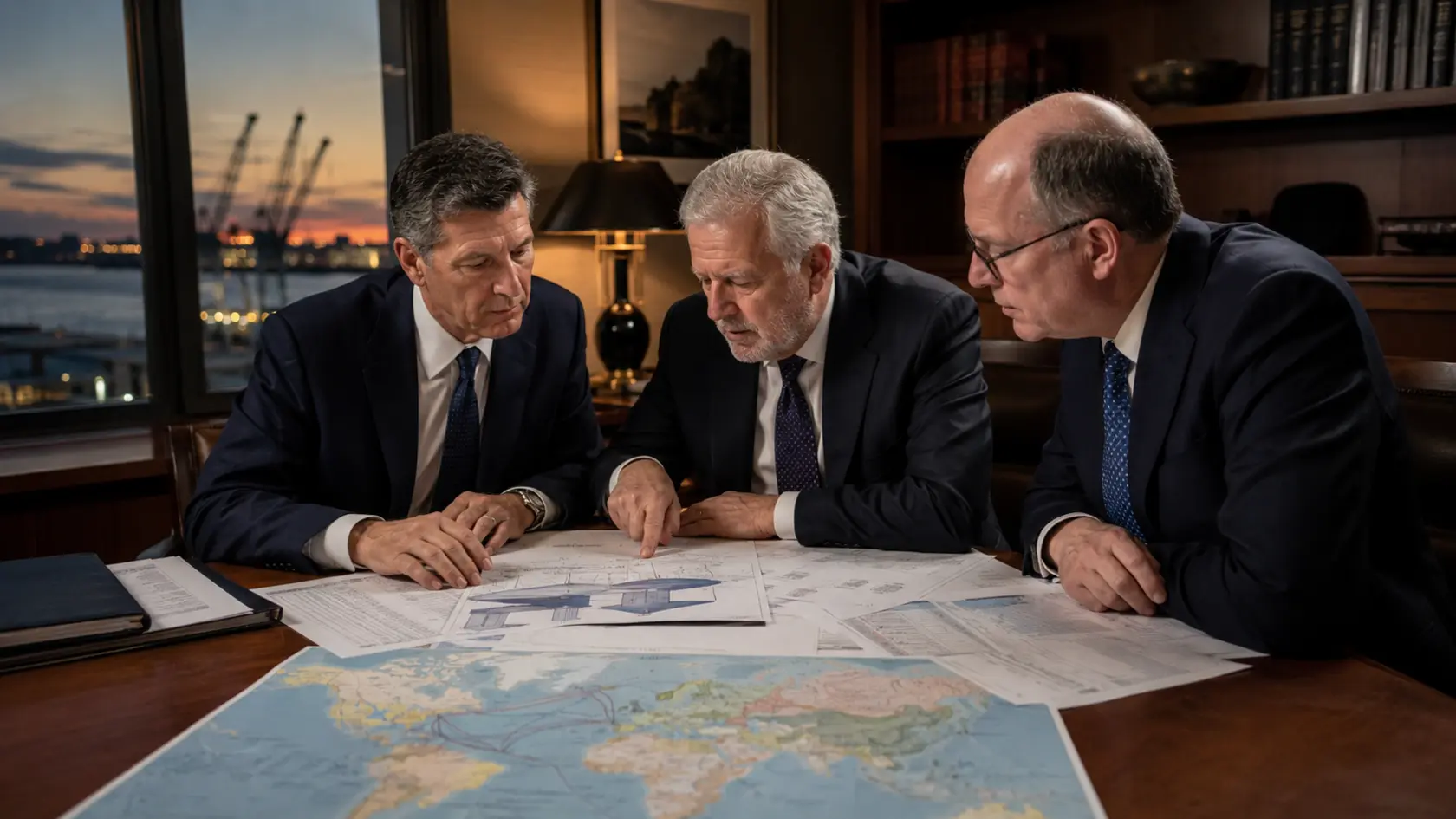
Advice built around the complete record.
International trade decisions can trigger export-control, sanctions, customs, foreign-investment and enforcement consequences. A product classification, software release, end user, transshipment route or ownership change may determine whether an authorization is required and whether a transaction can close. We help clients define the item, parties, route, use and jurisdiction before making legal conclusions.
The practice advises on the Export Administration Regulations, economic sanctions, restricted-party screening, end-use and end-user diligence, technology controls, deemed exports, contractual allocation and voluntary disclosures. Foreign investment matters are evaluated for ownership, governance, access to sensitive data or technology, critical infrastructure and government-facing risk. Trade and sanctions advice is coordinated so an authorization under one regime is not mistaken for permission under another.
Investigations focus on evidence: classifications, shipping records, invoices, customer files, access logs, communications, distributor activity and management decisions. For trade-based money-laundering concerns, the team compares price, quantity, route, customs, inventory, third-party payment and settlement information. Where foreign law applies, qualified local counsel is integrated through a defined plan.
Who we advise
We advise technology companies, manufacturers, financial institutions, investors, logistics providers, fintechs, charities and executives. The team connects trade rules with payment routes, beneficial ownership, data access and transaction structure rather than treating each authority as a separate checklist.
Clients receive operational guidance describing what may proceed, what requires authorization, what records should be retained and what controls are necessary. Foreign authorizations and local-law advice are coordinated but not overstated as resolving U.S. obligations.