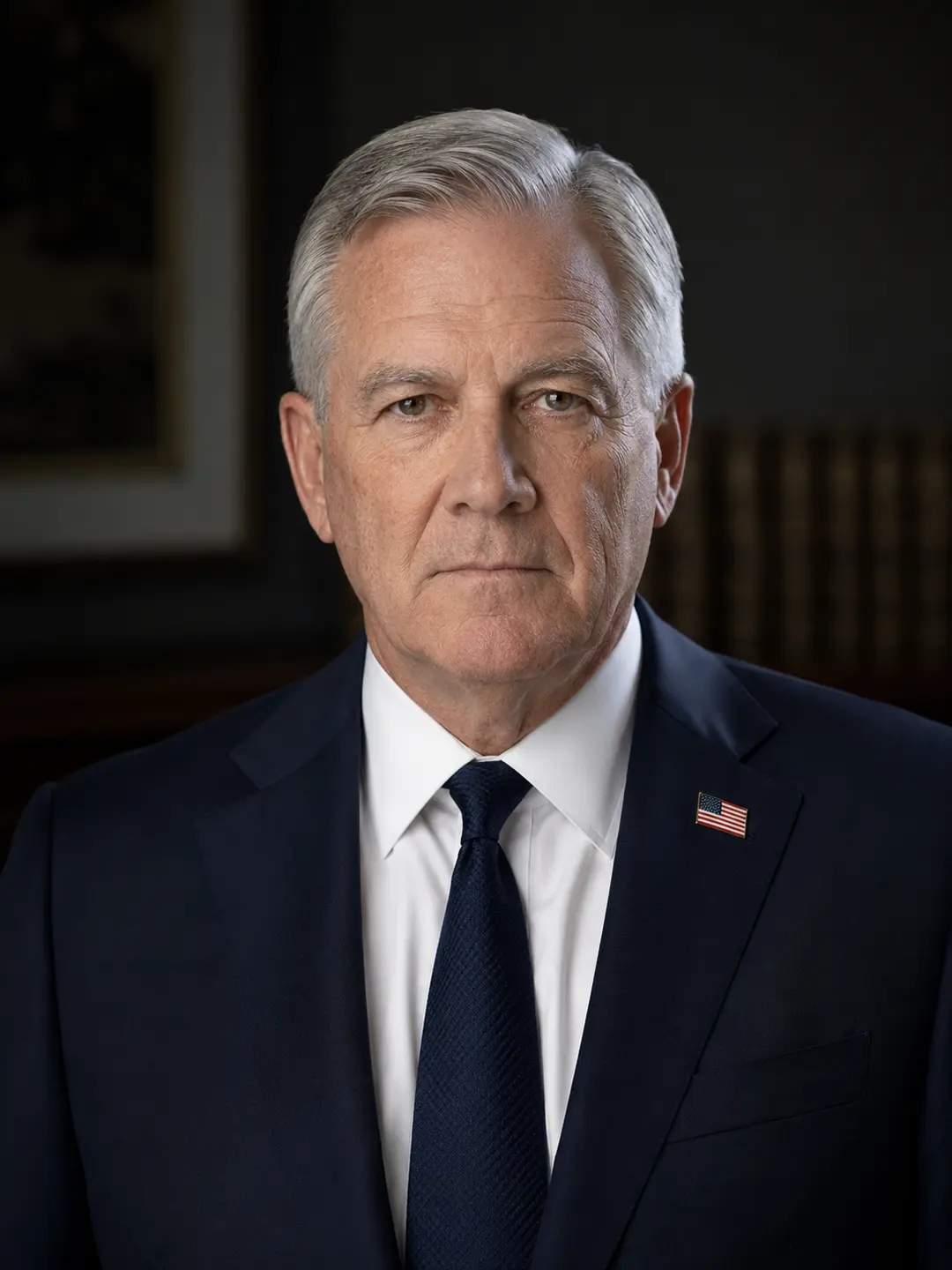

Senior judgment for consequential decisions.
Thomas E. Carter leads the firm’s sanctions, licensing and delisting practice. A former director-level OFAC sanctions compliance official, he advises banks, companies, charities, NGOs, designated parties and individuals on terrorism-related restrictions and their operational consequences. His work covers blocked and rejected transactions, the 50 Percent Rule, general and specific licenses, administrative subpoenas, enforcement submissions and petitions for administrative reconsideration under 31 C.F.R. § 501.807.
Thomas first identifies the governing sanctions program, parties, ownership interests, payment chain and U.S. nexus. That analysis separates what the law prohibits from what a financial institution may decline as a matter of risk appetite. For licenses and humanitarian activity, he documents the precise transaction, route, end use and safeguards. For delisting, he organizes verifiable evidence around the apparent basis for designation, changed circumstances and agency questions rather than relying on generalized denials.
Sanctions work rewards precision: the program, property interest, ownership chain, authorization and reporting duty must each be stated exactly.
How Thomas works
A sanctions decision must be operationally usable. Thomas translates legal conclusions into payment instructions, screening logic, certifications, reporting and monitoring. He also coordinates with local counsel where UK, European or other sanctions regimes apply, recognizing that authorization in one jurisdiction does not automatically resolve another. Communications with banks and counterparties are carefully bounded so a license application, petition or agency contact is never described more broadly than its actual effect.
Every matter begins with a defined scope, conflicts clearance and an agreed communications protocol. The team identifies urgent deadlines, relevant agencies, custodians, systems and jurisdictions. Confirmed facts are separated from reasonable inferences and open questions. That distinction is maintained in board materials, government submissions and internal work product so the client can make decisions without confusing an investigative lead with a legal conclusion.
Thomas works closely with the firm’s defense, compliance, sanctions and policy leads. This integrated approach is important because one fact may be viewed differently under the material-support statutes, the Bank Secrecy Act, OFAC authorities, a contractual risk standard or a foreign-law restriction. Workstreams are coordinated, while privilege, professional duties and local-law responsibilities remain clear.
Focus areas
- OFAC terrorism sanctions, blocking, rejecting, reporting and ownership analysis
- General-license interpretation and specific-license applications
- Humanitarian transactions, charities, NGOs and documented end-use controls
- Designation response and administrative-reconsideration or delisting petitions
- Administrative subpoenas, disclosures, pre-penalty notices and enforcement strategy
Representative experience
Representative experience includes urgent response to government process; privileged reviews of transactions, communications and control decisions; preparation of witnesses and decision-makers; and development of clear submissions for prosecutors, regulators, sanctions authorities, boards and counterparties. Client confidentiality is maintained throughout every engagement, and prior experience does not guarantee a future result.
A matter may begin when a client receives parallel questions from a financial institution and government authority. Thomas would organize the request set, preserve the evidence, identify the governing legal standards and develop a sequenced response. Where technical analytics, foreign law or specialized accounting is required, he defines the question and integrates qualified experts or local counsel into the legal work plan.
A related assignment may begin when an institution discovers a control weakness while reviewing a terrorism-related alert. The immediate work is to understand the transaction and prevent avoidable harm; the longer work is to determine scope, root cause, reporting implications and sustainable remediation. Legal defense and compliance improvement are coordinated so the record is accurate and the organization can demonstrate what changed.
Education and professional background
Education: Georgetown University Law Center, LL.M. Prior public service: Twelve years in OFAC sanctions compliance leadership, including director-level responsibility. Professional focus: Sanctions licensing, designation response, administrative reconsideration and delisting.
For an engagement inquiry, use the firm’s central confidential intake page. Individual contact numbers are not published. Do not send classified information, suspicious activity reports, privileged files or sensitive identity documents before the firm confirms an engagement and provides transfer instructions.