01
Material Support Defense
Defense involving 18 U.S.C. §§ 2339A/B, alleged services, funds, personnel, training or expert advice.

Kevin Hall Law Firm helps institutions, boards, organizations and individuals make defensible decisions when a transaction, investigation or government action carries consequences across several legal systems at once.
The firm’s core remains financial crime, terrorism finance, sanctions and national-security enforcement. These additional practices address the disputes, transactions, data, workforce and asset questions that often arise from the same facts.
Each page below is a complete practice resource with scope, services, client groups, working method, selected capabilities and the senior lawyers responsible for the work.
Federal litigation, internal investigations, emergency relief, financial evidence and cross-border dispute strategy.
Regulated transactions, fintech partnerships, diligence, allocation of sanctions risk and post-closing control integration.
Terrorism finance, AML/CFT, material support, OFAC, FinCEN, the BSA and complex financial investigations.
Coordinated response to DOJ, FBI, Treasury, FinCEN, prudential regulators and parallel congressional scrutiny.
Congressional investigations, FARA, public policy, agency engagement and carefully aligned legislative strategy.
IP ownership, licensing, digital evidence, brand protection and technology rights in regulated or high-risk transactions.
Incident response, cyber investigations, privacy, breach obligations, data governance and regulatory coordination.
Export controls, CFIUS, sanctions, trade compliance, foreign investment and national-security review.
Sensitive investigations, compliance leadership, executive risk, whistleblowers and regulated workforce response.
Asset tracing, beneficial ownership, complex structures, sensitive property transactions and private-client risk.
Terrorism-financing matters rarely stay in one lane. A transaction review can trigger a suspicious-activity analysis, an OFAC blocking question, a grand-jury subpoena, or inquiries from a board, correspondent bank and government agency at the same time. Our four pillars are designed to operate as one response.
Defense under 18 U.S.C. §§ 2339A and 2339B, grand-jury response, witness preparation, evidence analysis and parallel sanctions strategy.
Risk assessments, governance, customer and counterparty diligence, transaction monitoring, information sharing, testing and remediation.
OFAC blocking and 50 Percent Rule analysis, licensing, humanitarian pathways, administrative reconsideration and enforcement submissions.
DOJ, FBI, FinCEN, OFAC, congressional and cross-border engagement managed through one privileged, fact-driven strategy.
We do not treat CTF as a subsection of a general white-collar practice. Every capability below is organized around financial flows, national-security authorities and the operational realities of regulated institutions and humanitarian organizations.
Defense involving 18 U.S.C. §§ 2339A/B, alleged services, funds, personnel, training or expert advice.
Immediate response to subpoenas, interviews, searches, account restrictions, monitorships and parallel inquiries.
Enterprise risk assessments, board governance, policies, controls, model validation, testing and remediation.
Foreign correspondent diligence, payable-through risk, nested relationships and special-measures exposure.
Blocking, rejecting, reporting, ownership and control, general licenses and specific-license applications.
Administrative reconsideration, evidentiary submissions, questionnaires and coordinated cross-border relief.
Donor, grantee, beneficiary and delivery-channel controls that protect legitimate relief activity.
Wallet and transaction analytics, travel-rule issues, agents, liquidity partners and escalation design.
Trade-document review, value-transfer mapping, corridor analysis and culturally competent fact development.
MLAT requests, extradition risk, data transfer, coordinated sanctions and multi-agency investigative response.

Congressional, legislative and FARA issues can become part of the same factual record examined by prosecutors, regulators and sanctions authorities.
We coordinate government-affairs work with criminal and regulatory counsel so public statements, registrations, document productions and policy advocacy remain accurate and consistent. The team evaluates whether activity for a foreign principal raises FARA questions, prepares for congressional interviews and information requests, and helps institutions explain CTF controls to policymakers without exposing privileged legal analysis.
Where pending legislation, appropriations language, sanctions authorities or humanitarian exceptions affect a lawful operation, we build a record grounded in operational facts. The goal is credible engagement, not public theater.
Government enforcement practiceCorrespondent banking, Section 311, 314(a)/(b), sanctions screening, SAR governance and remediation.
Rapid growth, sponsor-bank oversight, payment rails, cross-border products and control maturity.
Donor, partner, beneficiary and humanitarian delivery controls calibrated to actual risk.
Wallet screening, blockchain analytics, Travel Rule workflows, mixers and high-risk corridors.
Agent oversight, informal value transfer, remittance corridors, cash activity and state-federal coordination.
Since 2002, the firm has operated from Washington with a partner-led model. The lawyers responsible for strategy remain close to the documents, data and decision-makers.
That structure matters in CTF work. Definitions are technical, facts cross borders, and a single internal email can be read differently by a regulator, prosecutor or sanctions authority. We establish a common chronology, preserve privilege, identify the controlling legal standards and separate provable facts from assumptions. Advice is delivered in language that boards, compliance officers, investigators and operational teams can use.
Our lawyers bring backgrounds in federal prosecution, DOJ counterterrorism, OFAC, FinCEN, congressional oversight and financial-institution counseling.
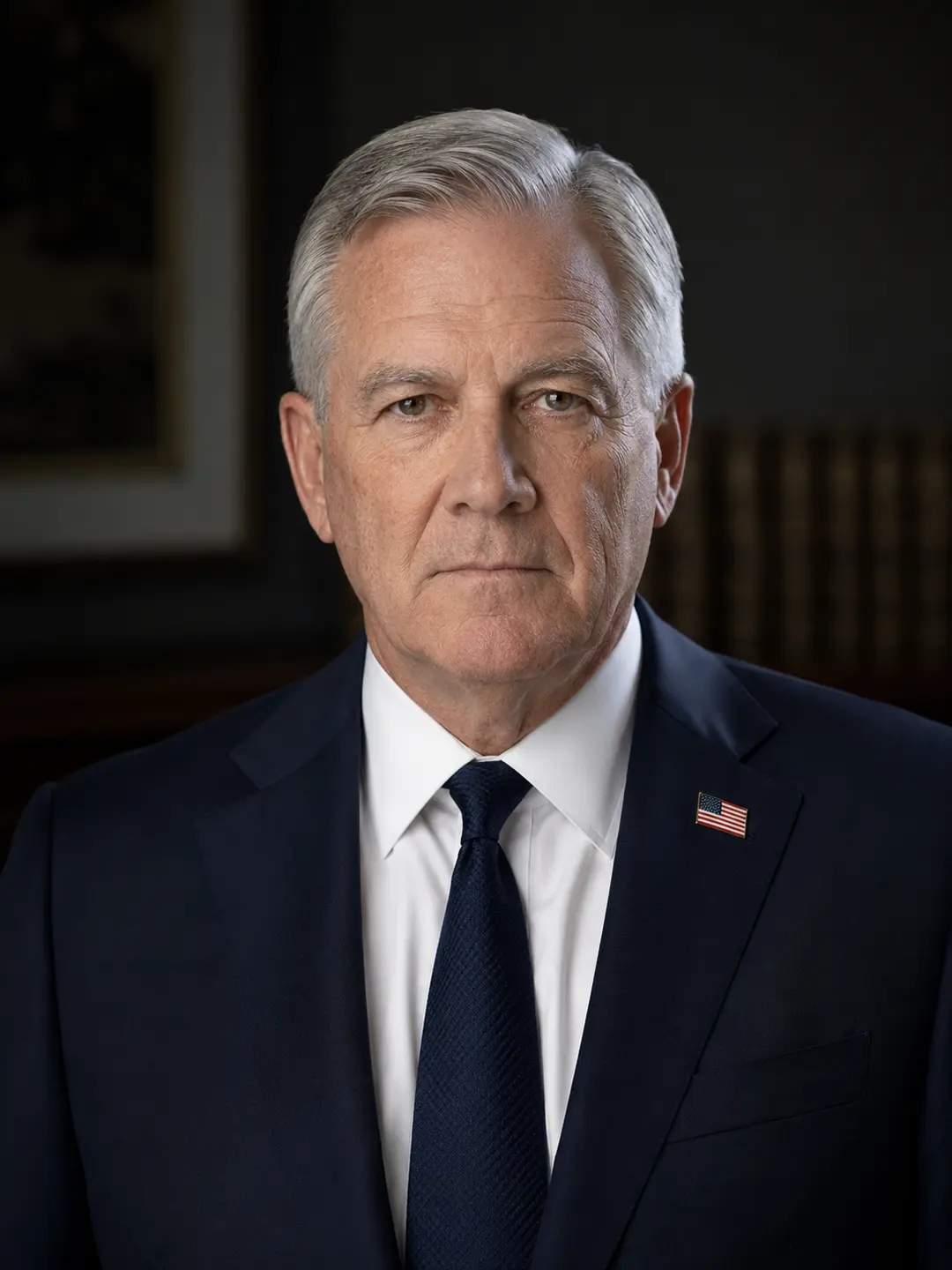
Terrorism Financing Defense & Investigations. Leads crisis response, material-support defense and cross-border investigative strategy. His practice is built around early command of the facts, disciplined privilege, and coordinated engagement with prosecutors, regulators and financial institutions.
View detailed profile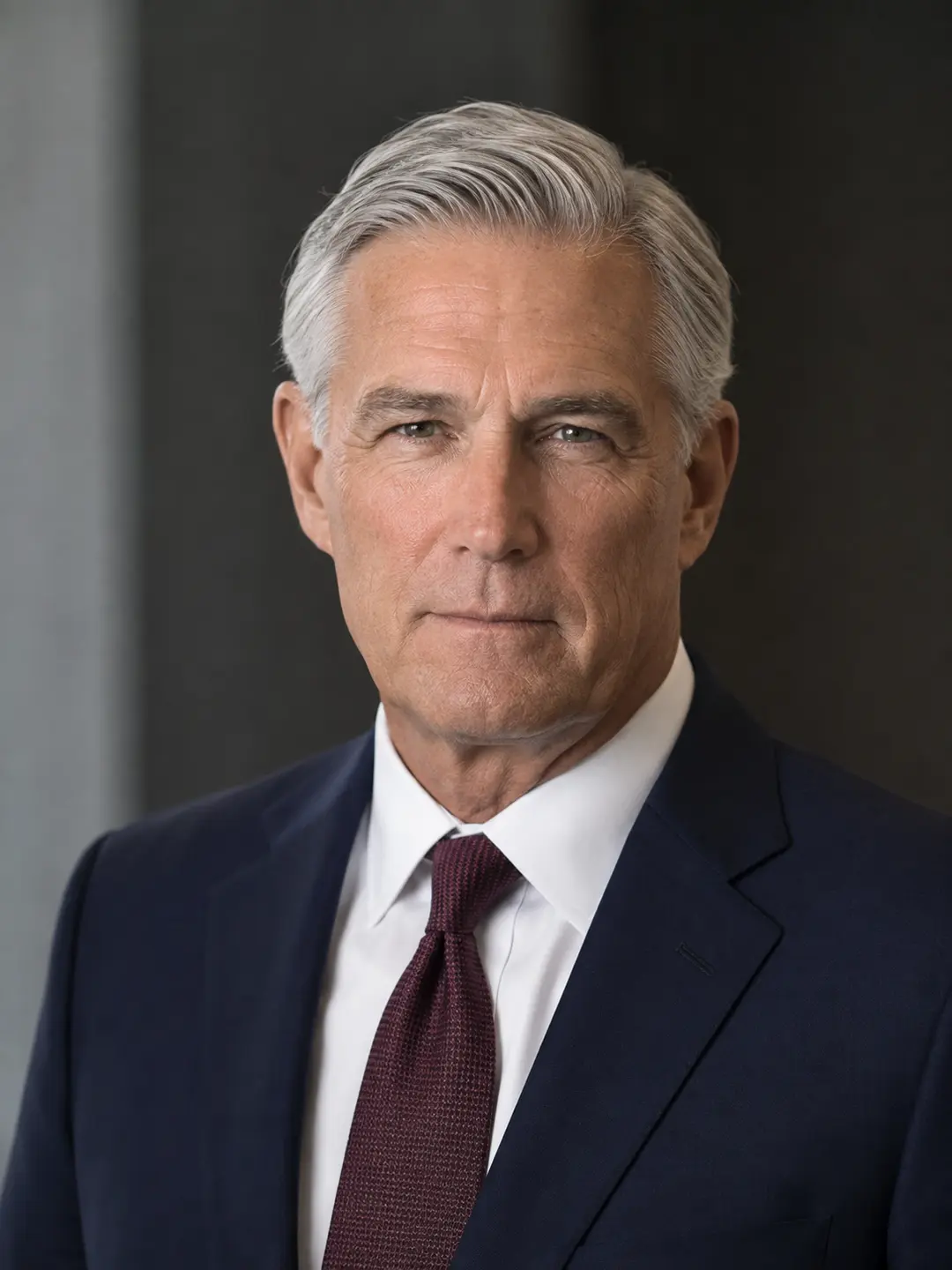
Terror Financing & Material Support Defense. Represents organizations and individuals in investigations involving 18 U.S.C. §§ 2339A and 2339B, grand-jury process, classified-information issues, and parallel sanctions exposure.
View detailed profile
CTF Compliance, Banks & Correspondent Banking. Counsels banks, MSBs and payment businesses on enterprise CTF controls, correspondent banking, Section 311 risk, sanctions screening, governance, investigations and sustainable remediation.
View detailed profile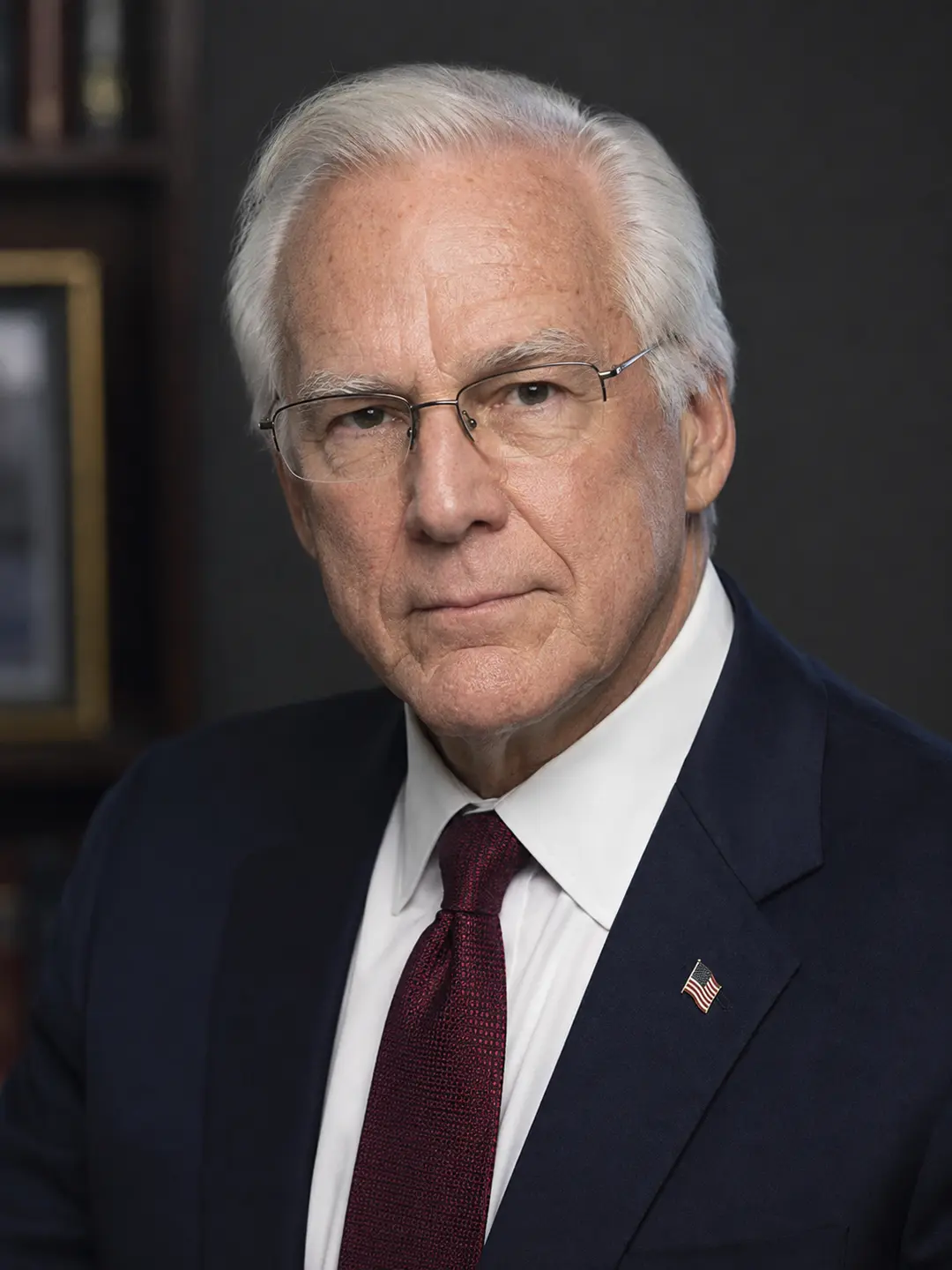
Government Affairs, FARA & Terror Finance. Guides clients through congressional inquiries, national-security policy, FARA analysis, appropriations and authorizing legislation, while coordinating carefully with criminal and regulatory defense teams.
View detailed profile
National Security, Sanctions & Delisting. Advises on blocking, ownership and control, licensing, humanitarian transactions, delisting petitions, enforcement submissions, and cross-border coordination with sanctions authorities.
View detailed profile
Crypto, Charities & CTF Controls. Designs risk-based programs for virtual assets, humanitarian activity and nonprofit operations, with emphasis on wallet analytics, donor and beneficiary diligence, information sharing and defensible escalation.
View detailed profileHow counsel can map knowledge, services, counterparties and communications while protecting privilege and avoiding speculative internal conclusions.
A governance framework for responding to 314(a) requests and using 314(b) information sharing within its statutory and regulatory conditions.
A disciplined process for ownership analysis, license review, documentation, escalation and outreach without unnecessarily abandoning lawful relief activity.
A payment investigation can become a sanctions issue, cyber incident, contract dispute, workforce review, transaction problem and congressional inquiry. The firm now presents those connected capabilities as complete practices rather than hiding them behind four broad labels.
Each team works from a common chronology and documented decision structure. Specialist analysis remains precise, but clients see the dependencies early: what one agency can request, what a contract requires, what a board must decide and how a public statement may affect litigation.
How the firm works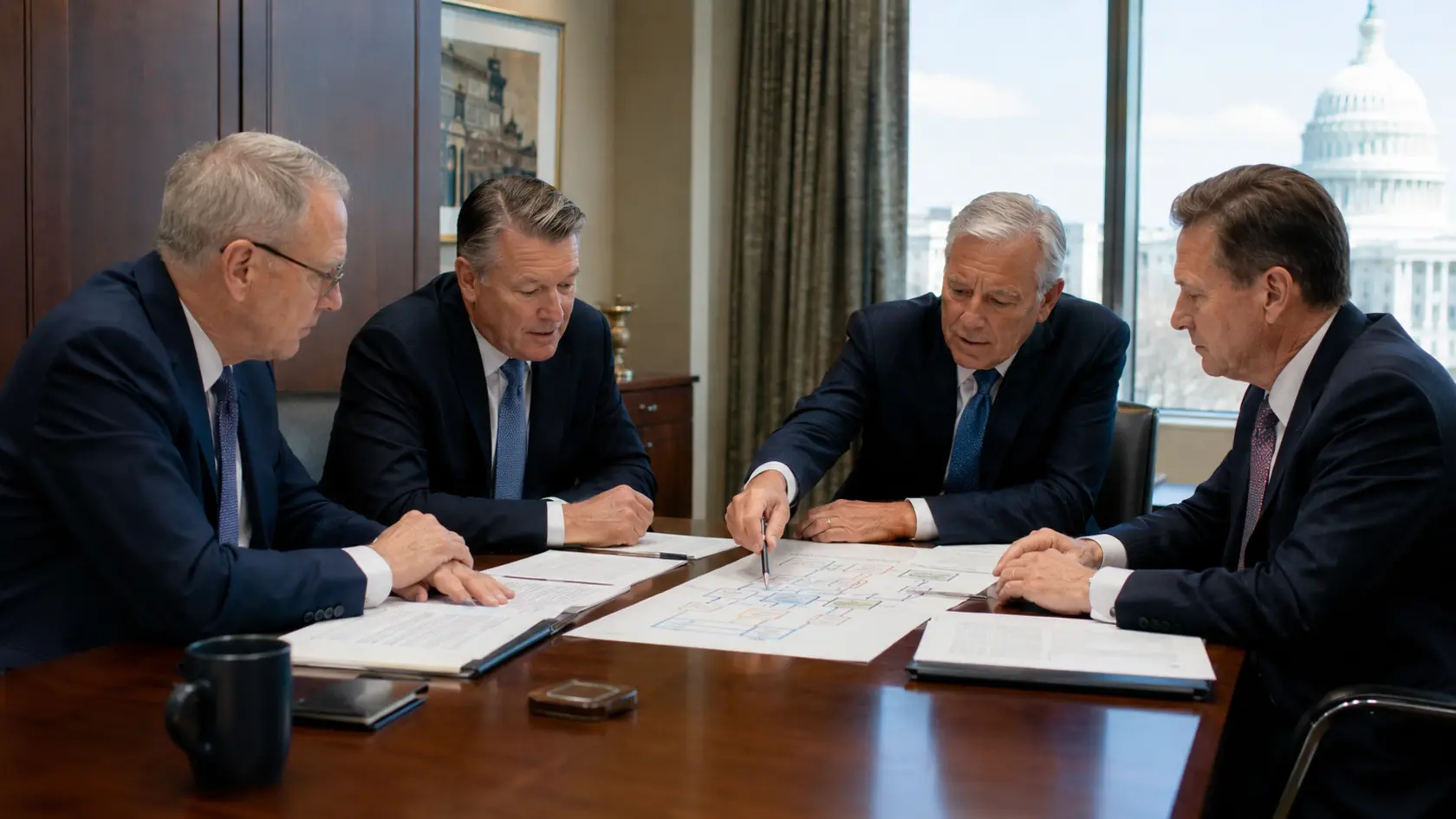
Four additional senior male lawyers extend the team into complex litigation, corporate transactions, cybersecurity and international trade.
They work with the firm’s existing financial-crime, sanctions, compliance and government-affairs lawyers. Matters receive the combination of experience they need, while one senior lead remains accountable for strategy, work plan and client communication.

Complex Litigation, Asset Forfeiture & Cross-Border Disputes
Detailed biography


International Trade, Export Controls & National Security
Detailed biographyFor urgent investigations, sanctions restrictions, cyber incidents, subpoenas or cross-border enforcement, contact the Washington team. Do not send privileged, classified or sensitive financial records before an engagement is confirmed.